
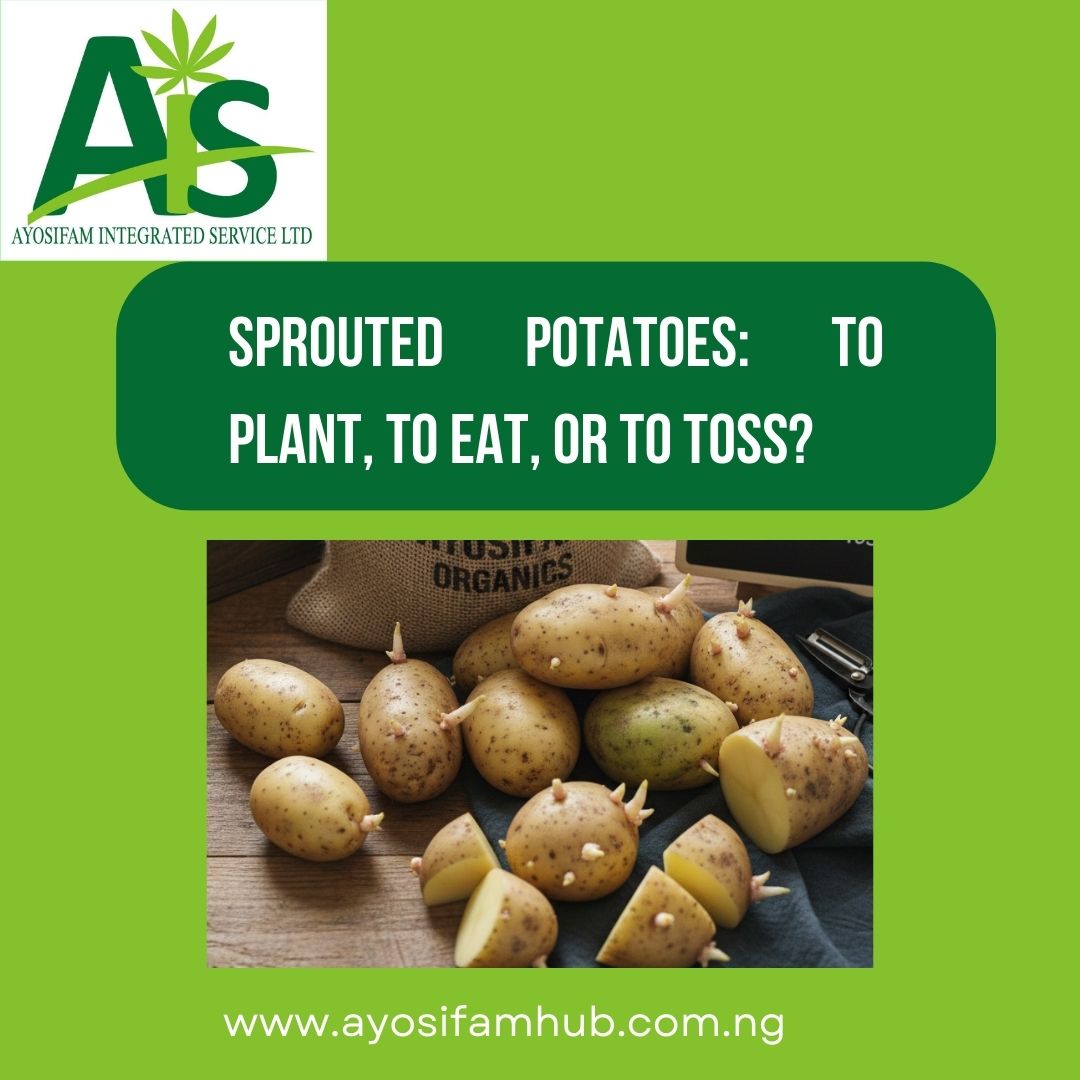
It’s a common kitchen surprise: you reach into the pantry for a potato, only to find it has sprouted long, pale “eyes” that look more like an alien science project than dinner.
At Ayosifam, we believe in reducing waste while keeping your health a priority. Here is everything you need to know about why potatoes sprout, whether they’re still safe to use, and how to stop it from happening in the first place.
Why Do Potatoes Sprout?
Potatoes aren’t just vegetables; they are living organisms (specifically, tubers) in a state of dormancy. Sprouting is simply the potato trying to grow into a new plant. This usually happens due to three main triggers:
-
Warmth: Heat signals to the potato that “spring” has arrived, triggering growth.
-
Light: Exposure to light (especially sunlight) mimics the environment needed for photosynthesis.
-
Humidity: High moisture levels provide the hydration the sprouts need to develop.
What Should You Do With Sprouted Potatoes?
Before you throw them away, assess the condition of the potato. Your course of action depends on how far the sprouting has progressed.
1. If the potato is still firm
If the sprouts are small and the potato feels hard and snappy, it is safe to eat.
-
What to do: Snap off the sprouts and use a vegetable peeler or knife to dig out the “eyes” completely.
-
Why: Most of the nutrients are still intact, but you must remove the sprouts because they contain high concentrations of solanine and chaconine—natural toxins that can cause digestive upset.
2. If the potato is soft or wrinkled
If the potato feels mushy, shrivelled, or has a green tint to the skin, do not eat it.
-
What to do: Compost it or use it for seed.
-
Why: As the potato sprouts, it converts its starches into sugars to feed the new growth. This makes the potato soft and bitter. More importantly, the green colour indicates a high level of chlorophyll, which usually tracks with high levels of toxic solanine.
3. Use them as “Seed Potatoes”
If you have a garden, a sprouted potato is a gift!
-
What to do: Cut the potato into chunks (ensuring each chunk has at least two “eyes”) and let them dry for 24 hours before planting them in the soil.
How to Prevent Sprouting
Prevention is all about “tricking” the potato into thinking it’s still winter. Follow these storage rules to extend their shelf life:
Action |
Why it Works |
Keep them Dark |
Light triggers chlorophyll and solanine production. |
| Keep them Cool |
Temperatures between 7°C – 10°C (45°F – 50°F) delay the growth cycle. |
Keep them Dry |
Moisture encourages mold and rapid sprouting. |
Separate from Onions |
Onions release ethylene gas, which actually makes potatoes sprout faster. |
Pro-Tip: Store your potatoes in a burlap bag or a cardboard box to allow for airflow. Avoid plastic bags, which trap moisture and lead to rot.
Managing your harvest effectively ensures you get the most value out of every tuber. By controlling light and temperature, you can keep your potatoes fresh and sprout-free for months!


